Ticks and Tick-borne Diseases in Pets
With the coming of spring and then summer, pet owners are bracing for “tick season.” This is the time of year when nasty little blood sucking ticks are out in force, and if you have ever walked your dog in the woodlands, or have an outside cat, chances are they will come back with ticks.
So, in preparation for tick season, here is the low down on one of the most unsavory pests you’ll ever come across.
What are Ticks?
A tick is a member of the arthropod family, which means they have exoskeletons and jointed legs. Although related to insects and spiders, they are neither. They belong to the family of mites, which are free living Arachnida that eat organic material.
Most mites are not parasites, but ticks certainly are. They must have a blood meal in order to reproduce, and this act of drinking blood is called engorging. As they fill up with blood, their bodies literally engorge to a size 5 or 6 times there normal size; common ticks that may be found on cats and dogs may look like a pumpkin or watermelon seed when fully engorged.
What is Their Lifecycle?
After a blood meal, an adult tick will lay eggs and die. The eggs laid are generally near where the tick has fallen off its host, and places where animals bed down or birds nests are prime egg laying areas.
When the baby ticks hatch they are called larvae, and they must have a blood meal to morph into the next stage of life called a nymph. Generally just one meal is enough, the larvae will consume this meal over the winter, and come the next spring, it will have grown into a nymph.
A nymph is a smaller version of an adult and will need another blood meal to gain adulthood. Once it becomes an adult, it will mate, produce and lay eggs, then die. From here the cycle begins again.
What Tick-borne Illnesses can they Transfer to Cats and Dogs?
Ticks are one of the greatest carriers of disease for both humans and pets, and many illnesses that affect your pet may also affect you. Here is a list of some of the most common types of tick-borne diseases to watch for and how they are treated:
- Lyme Disease — The #1 and most notorious of the tick-borne illnesses, Lyme Disease affects dogs, cats and humans. Generally, a tick must stay attached for up to 48 hours before infection will occur, so the best protection is to check and remove ticks before they engorge. Lyme Disease is carried by “deer ticks,” a smaller tick with a black shield on its back. Symptoms include lameness, appetite suppression, and fever. Antibiotics are used to treat it, and there is a vaccination for dogs, but not for cats.
- Rocky Mountain Spotted Fever — Yes, this fairly common disease is usually found in the west and Midwest, and it takes about 5 hours of engorging to be fully transmitted. Many of the symptoms are the same as Lyme Disease, so it may be diagnosed as that. In fact, the same type of treatment, with antibiotics, will also cure Spotted Fever, but there is no vaccine.
- Anaplasmosis — Deer ticks and western black legged ticks carry this disease, and you may not see any symptoms for over 2 weeks after being bitten. Both cats and dogs are susceptible, and you’ll notice pain in the joints, fever, vomiting, diarrhea, and possible nervous system damage. Oral antibiotics are given for up to a month, but in severe cases, antibiotics can be given intravenously.
- Tick Paralysis — Caused by toxic tick secretions, this almost borders on an allergic reaction. The hind legs will begin to go limp, followed by the front legs, and then difficulty in breathing may occur. Generally a dog will recover on its own, but an anti-toxin can be given if the symptoms are severe. Cats don’t seem to be affected by this.
- Tularemia, also known as Rabbit Fever — This is a bacterial infection that affects both cats and dogs; canines will have milder symptoms of reduced appetite, low fever and depression. Cats will have higher fevers, serious depression and may stop eating entirely. Antibiotics are in order and may be administered for as long as a month.
- American Canine Hepatozoonosis — This disease is actually contracted by a dog ingesting a tick through regular grooming or eating an infected tick. The Gulf Coast Tick is the carrier, and this disease is primarily found in the south central and south eastern United States. A severe infection will result, and symptoms include high fever, stiffness, pain when moving, a complete loss of appetite and the weight loss that accompanies it. Eye discharge is common and muscle wasting becomes apparent, particularly around the head and neck area. Treatment is done with anti-parasitic, anti-inflammatory and antibiotic medicine. It may last for several years before a full and complete recovery, and relapses are common.
How to Spot Ticks on Pets?
If you have a lighter colored pet, spotting ticks will be easier. Darker ticks will stand out faster after a walk or being outside, and you may be able to pick them or brush them off before they begin to engorge.
For most of us, however, running our hands over the body of your dog or cat will reveal lumps or bumps that are out of place. Upon closer inspection, you may find a tick beginning to feed or perhaps find one that has already engorged. Concentrate on the area around the head and neck, as ticks will generally congregate there.
Tick Removal
The easiest and quickest way to remove ticks is to give your pets a thorough brushing after a walk or having been outside for an extended period of time. You’ll be able to remove them before they become attached, and save yourself from having to pull them directly off your pet’s skin.
If a tick is attached, you can grasp it up around the head area, then twist and pull. Pet shops sell a forked device that makes this procedure much easier. Just hook the fork between head and body, pull and twist. The tick will pop off. Just be careful not to grasp the ticks body and squeeze. You may push infected blood back into your pet and complicate matters by doing so.
Tick Prevention for Dogs and Cats
There are many veterinarian and aftermarket ways to prevent ticks from attaching to your dog. Tick collars are one of the most common, and once placed around the neck on your dog or cat, they either give off a repelling gas that ticks don’t like, they secrete an insecticide that is spread by a pet’s natural oils, or both.
Tick repellents are generally made of natural oils that are sprayed or rubbed on each time a dog or cat is walked or left outside. Once the oils are applied, ticks will automatically drop off if they come into contact with your pet’s fur.
Tick treatments are made of a liquid insecticide that is dabbed onto the pet between the shoulder blades. Natural animal oils distribute this insecticide and it will kill ticks, their larvae and eggs if it comes into contact with them.
Tick-proofing your Lawn
Although you can tick-proof your lawn to a certain extent, there is no guarantee that it will be 100% effective. However, there are things you can do to greatly minimize any tick infestation, and drastically cut down on ticks being on your property.
- Cut down all tall grasses and keep your lawn mowed and manicured.
- If you live next to a woodland, make a 3-foot wide mulch or gravel break between your lawn and woods.
- Keep all play equipment in sunny locations.
- Stack lumber neatly, and remove any old furniture or trash from lawn areas.
- Use a tick spray to cover the grass, patio, outdoor furniture, fences and the like. Although there are chemical sprays that will kill ticks, if you have kids and pets, a natural type of tick spray is the best option.
Ticks and tick-borne diseases are a natural part of having pets. If you keep your pet primarily inside, you greatly limit their exposure to ticks. But if they go outside, either on walks, leashed out in the back yard or have a external shelter, kennel or house where they rest, the chances are that you and your pet will come into contact with a tick or two.
About the Author
Mary Nielsen is a passionate dog lover, blogger, and part-time music teacher. She started MySweetPuppy.net to share her ups and downs of being a pet parent to a bunch of adorable mutts. When she is not playing with them or teaching, you can find her experimenting in the kitchen.

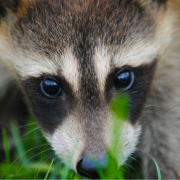 Despite your best efforts, some animals may become too familiar with your property for comfort. It’s important to remember that wild animals are not “pests”—they’re valuable members of a sensitive ecosystem, and need to be treated as such. If these animals are seriously inconvenient to you or dangerous to your pets, you’ll need to have a way of removing them. Look online for resources who can give you tips on getting rid of
  Taking care of your pets is important—after all, you’re going to develop significant bonds with them. However, it’s just as important that you treat the animals who come onto your property without knowing any better fairly. Most of them are just hungry or curious, and they aren’t looking to cause trouble. Don’t encourage them with food or let them build homes on your property, but always make sure you exercise caution and restraint if you’re trying to remove them. Respect for their lives will ensure that everybody on your property is well treated.
 your woes. Cats can serve as your outlet when you need to talk to someone but you are not sure who to trust. You can rest assured that cats will keep mum on the subject.
 When you are responsible for someone other than yourself, your sense of responsibility develops. This is not just applicable for dogs, but also for cats. In fact, children who raised pets have been shown to become more responsible adults than those who didn’t.